



Eyelid surgery
How does double eyelid surgery differ from ptosis correction?
Creating an eyelid crease and adjusting eyelid opening function address different goals.
Double eyelid surgery primarily forms a crease, while eyelid opening or ptosis correction involves adjusting opening function and eyelid position. They may be combined, but not everyone seeking a double eyelid crease needs ptosis correction.
The Korean term for eyelid correction does not identify one specific technique. This article focuses on procedures that adjust eyelid opening function. Ask which tissues would be adjusted and how in your particular plan.
Key points
Three ways to distinguish the procedures
- Assess the crease and opening function separately.
A preferred fold and a problem with eyelid position are different concerns.
- A sleepy appearance alone does not diagnose ptosis.
Clinical assessment considers skin excess, brow position and eyelid movement.
- Ask why procedures would be combined or considered separately.
Adding surgery does not guarantee a desired expression or perfect symmetry.

How do a crease and eyelid position differ?
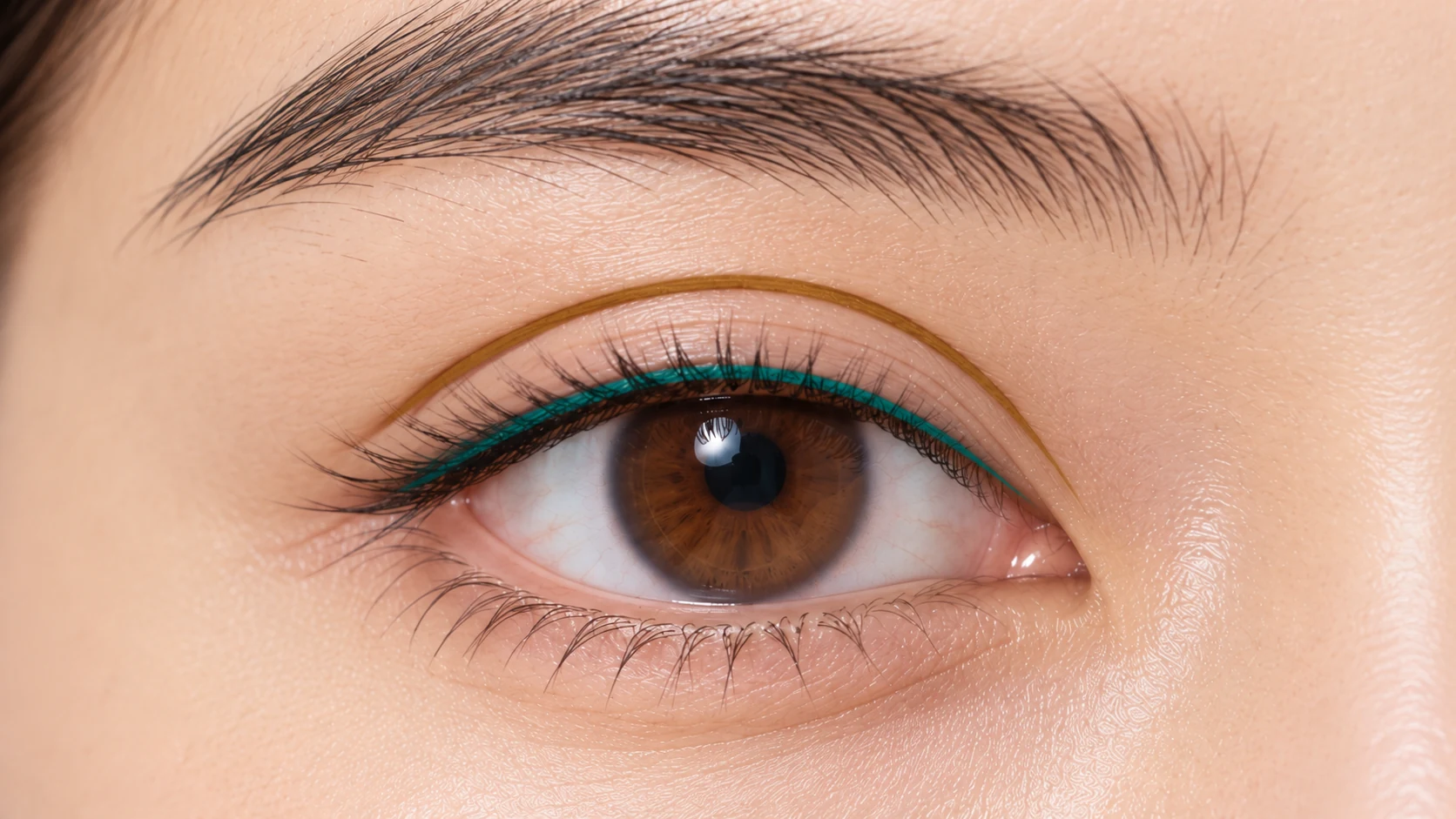
An eyelid crease is the line where the skin folds. The position of the upper eyelid edge when the eye is open is assessed separately. Try to distinguish concern about a faint crease from discomfort when opening your eyes.
Ptosis means an abnormally low upper eyelid edge. AAO EyeWiki’s ptosis explanation distinguishes it from excess eyelid skin or a drooping brow. The description “my eyes look small” cannot establish the cause.
What function is assessed during consultation?
Assessment considers eyelid position and movement, brow movement and eye closure. Explain when the discomfort began, previous eye surgery or treatment, dryness and any difficulty with your field of vision. Do not decide whether you need surgery by comparing measurements with internet thresholds.
If one eyelid suddenly droops, or drooping occurs with double vision or pain, seek prompt medical care rather than waiting only for a cosmetic consultation. MedlinePlus information on eyelid drooping recommends medical assessment for new or rapidly changing drooping.
| Goal to assess | What to distinguish | A consultation question |
|---|---|---|
| Eyelid crease | Height, shape and fixation plan | What is the plan for creating the crease I want? |
| Opening function | Eyelid position, movement and their cause | What findings support the need for functional adjustment? |
| Considering both | Purpose and interaction of each adjustment | How do combined and separate approaches differ in benefits and risks? |
Must the two procedures always be combined?
No. Ask for an explanation of your crease preference and the functional assessment separately. If both are considered, clarify what each added adjustment is intended to address. When a clearer appearance is discussed, ask whether that refers to the crease, eyelid position or both.
Discuss expected changes and limits alongside the plan. As in the ASPS consultation question guide, ask why a method is recommended and what its risks are. Do not treat an additional procedure’s potential benefit as a certain personal outcome.

Separate your questions before consultation
A faint crease and difficulty opening the eyes can initially seem like the same concern. Write down appearance preferences separately from functional discomfort to make the assessment clearer. Ask about excessive adjustment and possible effects on eye closure and dryness.
- Separate your preferred crease shape from discomfort when opening your eyes.
- Describe when symptoms began, changes during the day and previous surgery or treatment.
- Ask for the exact technique and the examination findings supporting its need.
- Discuss possible remaining asymmetry, overcorrection, undercorrection, closure difficulties and dryness.
Frequently asked questions
Does double eyelid surgery alone improve opening strength?
Crease formation and adjustment of opening function have different purposes. If function is a concern, its cause and examination findings need assessment to determine whether another adjustment is appropriate.
Does everyone with sleepy-looking eyes need correction?
Appearance alone cannot determine the need. Eyelid position, skin excess, brow position and movement require assessment together.
Is non-incisional eyelid correction suitable for everyone?
The method’s name alone cannot establish suitability. Ask about the exact adjustment, your current function, the scope required and its limits during examination.
Should I start with a cosmetic consultation if one eyelid suddenly droops?
Sudden drooping, especially with double vision or pain, requires prompt medical assessment rather than being treated only as a cosmetic issue. Severe symptoms or a rapid change in vision require emergency care.
Separate crease preferences from functional discomfort
Ask for separate explanations of the crease plan and the reason for adjusting opening function. The findings in your eyes and the purpose of each adjustment matter more than the procedure names.
Surgical methods, outcomes and recovery vary between individuals. Risks include swelling, bruising, bleeding, infection, scarring, asymmetry, dry eyes and difficulty closing the eyes. Rarely, serious problems such as changes in vision can occur. Your individual condition and risks require clinical assessment.