



Ptosis correction
JAYJUN PLASTIC SURGERY
JAYJUN
Ptosis correction
Surgery that adjusts the strength of the muscles that open the eyes by tightening or shortening them, allowing the eyes to open comfortably and fully using those muscles alone
Increases the vertical eye opening and visible iris to give sleepy-looking eyes a clearer, more open appearance

JAYJUN ptosis correction
Surgery information
- Operating time
- 1 hour
- Anesthesia
- Sedation, local anesthesia
- Hospital stay
- Discharge the same day
- Stitch removal
- 7 days
- Recovery period
- Daily activities after suture removal
- Bleeding, bruising and other side effects may occur depending on individual circumstances, and recovery times may vary.
JAYJUN ptosis correction
What is ptosis correction?
Corrects the use of the eyebrows and forehead to open the eyes when the eye-opening muscles have weakened due to congenital or acquired causes
What can ptosis correction improve?
- Improves forehead wrinkles caused by using the forehead muscles
- Improves uneven eyes
- Can provide a wider field of vision
JAYJUN ptosis correction
Understanding ptosis correction
Ptosis correction needed
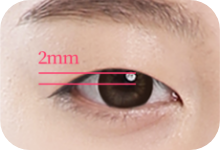
When 2 mm or less is visible from the center of the pupil
Ptosis correction not needed
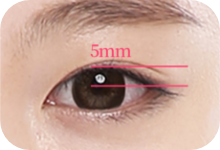
When about 5 mm is visible from the center of the pupil
JAYJUN ptosis correction
Types of correction
Non-incisional ptosis correction
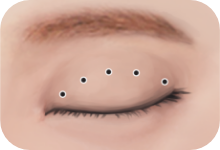
Incisional ptosis correction
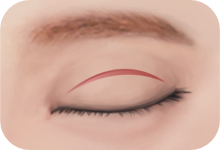
Non-incisional ptosis correction
- MethodCorrection through tiny openings without incisions
- SymptomsMild ptosis
- CandidatesSlightly drooping eyelids
- ScarringAlmost no scarring
- SwellingLittle swelling
Incisional ptosis correction
- MethodCorrection through small incisions
- SymptomsModerate or more severe ptosis
- CandidatesSignificantly drooping eyelids
- ScarringScarring may occur
- SwellingSwelling present
JAYJUN ptosis correction
Channel JAYJUN
JAYJUN ptosis correction
FAQ
Answers to frequently asked questions about ptosis correction.
What is ptosis correction surgery?
Ptosis correction adjusts the strength of the muscles that open the eyes, helping them open more comfortably and appear more defined. It can help improve sleepy-looking eyes or eyes that rely excessively on the forehead and eyebrows to open.
When might ptosis correction be needed?
Ptosis correction may be considered when weak eye-opening muscles or drooping eyelids make the eyes look small and sleepy. It may also help if you overuse your forehead or eyebrows to open your eyes, or find it difficult to open them wide.
What can ptosis correction improve?
By improving the ability to open the eyes, ptosis correction can create a more defined vertical opening and reduce a sleepy appearance. If the forehead muscles are overused to open the eyes, it may also help improve forehead wrinkles and uneven eyes.
How is ptosis correction performed?
Ptosis correction adjusts the strength of the muscles that open the eyes. The appropriate non-incisional or incisional method is selected according to each person's eye condition and degree of drooping.
How do non-incisional and incisional ptosis correction differ?
Non-incisional correction adjusts the eye-opening muscles through tiny openings without cutting the skin, and may be considered when drooping is relatively mild. Incisional correction uses a skin incision to adjust the muscles directly, and may be considered when drooping is severe or difficult to correct with the non-incisional method alone.
Who may be suitable for non-incisional ptosis correction?
Non-incisional correction may be considered when the eye-opening muscles are weak or the eyelids droop slightly. As no skin incision is made, it involves less concern about incisions and recovery is relatively quick. Learn about non-incisional ptosis correction
Who may be suitable for incisional ptosis correction?
Incisional correction may be considered when the eyelids droop significantly or the eye-opening muscles need extensive adjustment. It allows the surgeon to directly assess and correct the required area according to each person's eye condition. Learn about incisional ptosis correction
Will ptosis correction leave scars?
Non-incisional correction uses tiny openings without cutting the skin, so it leaves almost no visible external scarring. Incisional correction follows the eyelid crease; scars may remain after surgery but gradually fade over time.
How long does ptosis correction take, and can I go home the same day?
Ptosis correction usually takes about 1 hour. No overnight stay is required, so you can go home on the day of surgery. The operation time and recovery process may vary with your eye condition and the method used.
How are the eyelid crease shape and height determined for ptosis correction?
The crease shape and height are determined by considering the spacing and length of the eyes, facial proportions, eye shape, pupil size, outer-corner angle, and whether ptosis is present. The design is tailored to harmonize with each person's face and eyes.
What sets JAYJUN eye surgery apart
Your JAYJUN, a standard of beauty

One-to-one, personalized eye surgery
Considering the balance and harmony of your eyes and face, we apply the most suitable surgical method.
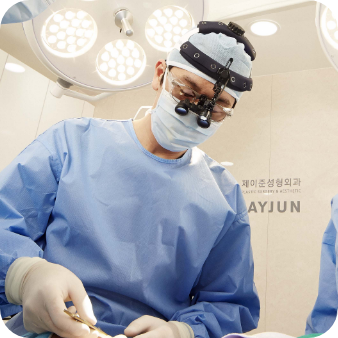
Professional collaborative care
Doctors, the surgical center, coordinators and the treatment center work within a professional, structured system for safety from consultation through postoperative care.
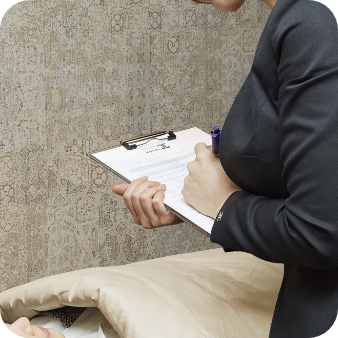
Minimal swelling and scarring, fast recovery
Experienced specialists minimize swelling, supported by aftercare from trained staff to help you return to daily life quickly.
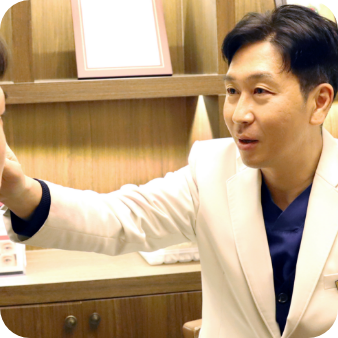
Eye surgery with high patient satisfaction
Specialists operate with a sense of responsibility for the result, achieving high satisfaction and a low revision rate.

Specialist medical staff committed to research
The refined, precise surgical expertise of JAYJUN plastic surgery specialists delivers satisfying results.
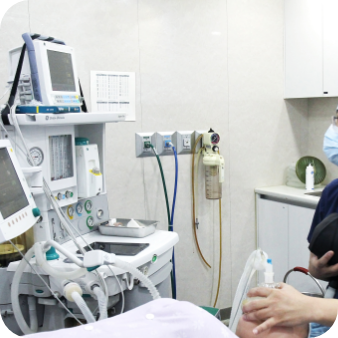
Dedicated one-to-one anesthesia care
An anesthesiology and pain medicine specialist takes dedicated responsibility for anesthesia during surgery, with an emergency response system for safety.