


Revision rhinoplasty
JAYJUN PLASTIC SURGERY
JAYJUN Revision Rhinoplasty
Precise analysis and diagnosis of an unsuccessful operation
Improve appearance and function together
Minimize tissue damage for a faster recovery

JAYJUN Revision Rhinoplasty
수술정보
Surgery time1 hour 30 minutes
AnesthesiaSedation
Hospital staySame-day discharge
Stitch removalAfter 1 week
RecoveryDaily activities after 7 days
Bleeding, bruising and other side effects may occur
depending on the individual,
and recovery time may vary.
JAYJUN Revision Rhinoplasty
What Is Revision Rhinoplasty?
Revision rhinoplasty is performed when the nose is unsatisfactory in function or appearance after the first operation.
Cases vary because of inflammation, tissue changes and other causes.
Revision therefore requires thorough preoperative examinations and an in-depth consultation with an experienced specialist.
JAYJUN's doctors identify the precise reason for revision and perform it systematically with implants and surgical methods suited to each patient's condition.
Precisely identify the reason for revision
We analyze the factors that make revision necessary. Detailed 3D CT analysis assesses the size of the nasal bones and septal cartilage, the overall condition of skin tissue, and the implant's shape and problems to establish a precise, safe surgical plan.
Safe surgery with minimal tissue damage
Limiting dissection at the surgical site improves revision safety without further tissue damage, while meticulous suturing minimizes scars.
JAYJUN Revision Rhinoplasty
When Can Revision Be Performed?
In general
Revision can be performed 6 months after surgery, once the tissues have softened overall.
If inflammation or contracture develops
Operate once the scar tissue at the surgical site has softened, after eliminating the cause of inflammation.
However,
earlier surgery may be possible depending on tissue condition and the type of surgery
(determined through consultation)

JAYJUN Revision Rhinoplasty
Who the surgery is for
-
01
Dissatisfaction with the nose's contour
-
02
The implant is visible through the skin or moves
-
03
A crooked bridge
-
04
A bridge that is too high
-
05
Inflammation in the nose
-
06
The nose has shortened because of contracture

JAYJUN Revision Rhinoplasty
Surgical Methods by Concern
-
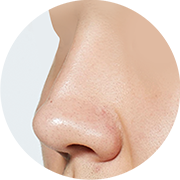
Case 01. An unnaturally high nose
Surgery creates a contour that suits facial proportions and connects beautifully with the forehead and chin.
Remove the existing implant and replace it with a new one, using the patient's own tissue at the tip.
-
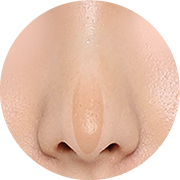
Case 02. An implant visible through thin skin
If the implant is too high, reduce its height.
Move the implant pocket to a plane deeper than the capsule.
Use the patient's own dermis, scalp fascia or similar tissue instead of an implant to reinforce thinned skin.
-
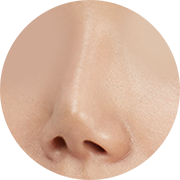
Case 03. Contracture at the nasal tip
Release scar tissue and adequately lower the tip raised by contracture, then shape it to an ideal contour.
-
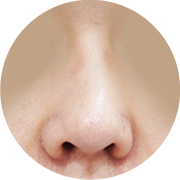
Case 04. A crooked-looking bridge
If the bridge is asymmetrical,
lateral osteotomy cuts the outer nasal bones to restore symmetry.If a deviated septum causes asymmetry,
straighten the bent cartilage to correct the crooked nose.If the implant is incorrectly positioned on the bridge,
remove it, make the implant pocket straight and symmetrical, then insert the implant.
-
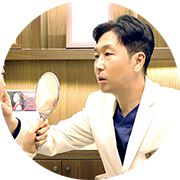
Case 05. Dissatisfaction with the nose's shape
If you dislike the nose's shape or height, or wish to have revision, an in-depth consultation with a specialist identifies the desired shape precisely before correction.
-
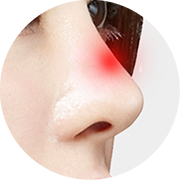
Case 06. Inflammation in the nose
Early inflammation
Reduce inflammation with prescribed oral antibiotics and injections.Persistent inflammation
Remove the implant and, after treating the inflammation, insert an implant or the patient's own tissue.
TIP! Tips for reducing inflammation after rhinoplasty
Before surgery
Surgery while unwell, with a cold or otherwise run down increases the risk of postoperative inflammation. Take care of your health starting about a week before surgery.After surgery
For one month after surgery, avoid alcohol, smoking, strenuous exercise, forceful sneezing, and excessive bending or movement of the head to prevent inflammatory reactions to the artificial implant.
JAYJUN Revision Rhinoplasty
Types of Implants and Grafts
JAYJUN selects the material best suited to each patient's nose.
Artificial Implants
-
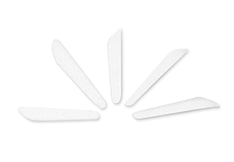
Silicone
Maintains a stable bridge contour without changing shape or being absorbed
Effective when substantially increasing bridge height is desired
-
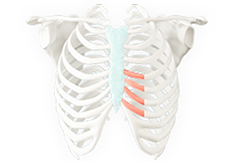
Donor Rib Cartilage
Can be used for the nasal tip
Effective for revision and short noses
Good safety and excellent compatibility with the body
-
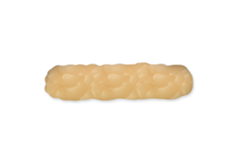
Artificial Dermis
An implant suitable for thin skin
Used when the nose's skin tissue is damaged
Your Own Tissue
-
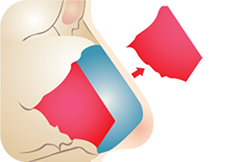
Septal Cartilage
The patient's own cartilage most commonly used in rhinoplasty
Harvested from inside the nose, with no concern about scars
Effective when supporting the columella and lengthening the nose
-
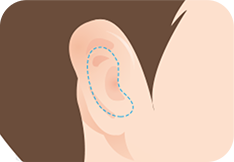
Ear Cartilage
Cartilage that is easy to harvest from the ear
Creates a natural-looking nasal tip
Effective when septal cartilage is insufficient
-
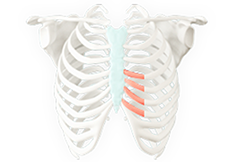
Rib Cartilage
Cartilage located at the inner side of the ribs
A large amount of cartilage can be harvested
Effective for those seeking surgery using their own tissue after complications
-
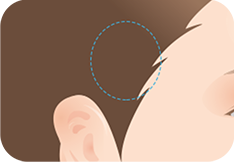
Your Own Fascia
Used to prevent the implant from showing through the skin
Creates a natural-looking nasal tip
Prevents thinning of nasal tip skin
-
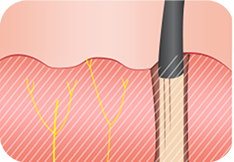
Your Own Dermis
Suitable for thin skin through which an implant shows
Natural, with less foreign-body sensation
JAYJUN Revision Rhinoplasty
Factors to Consider
01
Precisely identify why revision is needed
02
Extensive clinical experience of specialist doctors
03
A surgical method suited to the patient's condition
04
Proportion and harmony between face and nose
JAYJUN Revision Rhinoplasty
JAYJUN's Rhinoplasty Specialists
-
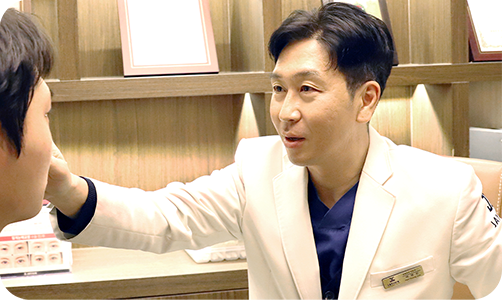
Revision rhinoplasty is more demanding than a first operation.
It requires precise diagnosis by a specialist
with extensive clinical experience and an eye for aesthetics.JAYJUN's specialists provide dedicated care from consultation through surgery and postoperative treatment,
performing personalized, one-to-one revision rhinoplasty.
Through thorough consultation, they accurately identify the reason for revision
and consider each patient's facial characteristics
to achieve safe, natural-looking revision results.

JAYJUN Revision Rhinoplasty
Features of JAYJUN Revision Rhinoplasty
-
Point 01
Precise analysis of the first operation
Through a thorough consultation, analyze why the first operation failed to plan a better revision result.
-
Point 02
Personalized 1:1 Rhinoplasty Planning
Plan rhinoplasty to suit you by fully considering your facial characteristics.
-
Point 03
Minimized scarring
Minimize surgical scars to ease the burden of revision and strive for natural results.

JAYJUN Revision Rhinoplasty
Three-dimensional analysis using precise 3D CT imaging
-
Point 01
Identify the Cause of Surgical Failure
Assess the nose's shape as well as the shape, size and condition of the nasal bones and surrounding soft tissue to accurately identify why the first operation failed.
-
Point 02
A Plan Based on the Cause
After identifying the cause of the problem, select an appropriate implant and surgical method to improve both appearance and function.
-
Point 03
Precise, Effective Results
Achieve successful results based on thorough surgical planning.

JAYJUN Revision Rhinoplasty
Postoperative Recovery Care
For a fast recovery and optimal results, our skin care system includes a personalized 1:1 aftercare program with trained care staff.
-
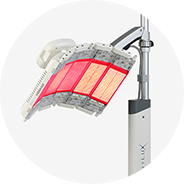
SmartLux care
It helps promote regeneration of skin cells affected by surgery, improve circulation, control pain and improve elasticity, supporting a faster recovery and high satisfaction.
-
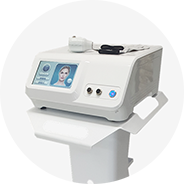
Radiofrequency care
Supports circulation and swelling care
to help you return to daily life sooner.
What makes rhinoplasty at JAYJUN special
Your standard of beauty, your JAYJUN
Personalized 1:1 rhinoplasty
Consider the balance and harmony of the nose and face, thoroughly assess each person's nasal condition, and apply the most suitable surgical method
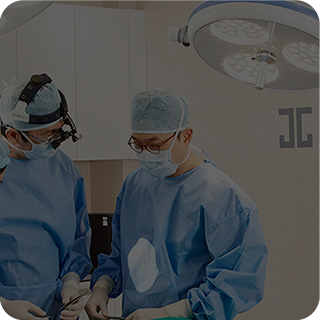
Professional collaborative care
Doctors, the surgical center, coordinators and the treatment center work within a professional, structured system for safety from consultation through postoperative care.
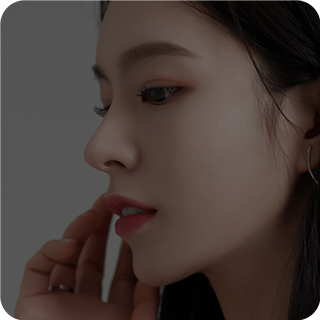
An ideal nasal contour in harmony with the face
JAYJUN’s precise, refined surgical expertise designs the nasal tip around overall facial proportions to deliver satisfying surgical results
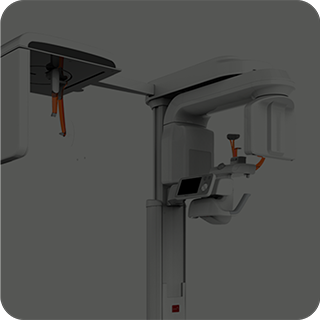
Precise three-dimensional analysis using 3D CT imaging
For accurate diagnosis, analyze the internal nasal structures in detail using 3D CT to improve both appearance and function
Postoperative recovery care
Postoperative care by trained staff for faster recovery, including skin care and management of swelling, bruising and wounds

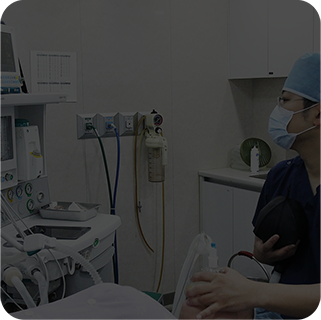
Dedicated one-to-one anesthesia care
An anesthesiology and pain medicine specialist takes dedicated responsibility for anesthesia during surgery, with an emergency response system for safety.