




Ptosis correction
JAYJUN PLASTIC SURGERY
JAYJUN
Non-incisional ptosis correction
Without cutting the skin, double knots are made at two sites—the eye-opening muscle and the eyelid crease—to achieve ptosis correction that resists loosening. This method is mainly suitable for mild ptosis.
Performed together with buried-suture or natural-adhesion double eyelid surgery

JAYJUN non-incisional ptosis correction
Surgery information
- Operating time
- 30 minutes
- Anesthesia
- Sedation, local anesthesia
- Hospital stay
- Discharge the same day
- Stitch removal
- Not required
* May vary by individual
- Recovery period
- 5–7 days
- Bleeding, bruising and other side effects may occur depending on individual circumstances, and recovery times may vary.
JAYJUN non-incisional ptosis correction
Who is it for?
- Often told that you look sleepy or tired
- Habitually use the forehead muscles to open your eyes
- One eye opens a little later or the eyes differ in size when opening
- Eyelids droop significantly for your age
- The upper eyelid covers at least one third of the iris
JAYJUN non-incisional ptosis correction
Surgical method
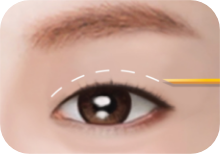
Design the height and shape of the crease to suit facial harmony
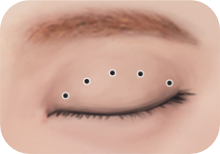
Make tiny openings along the eyelid crease based on the assessment
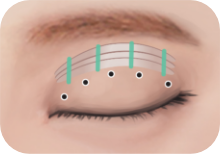
Adjust and tighten the upper eyelid levator muscle according to how much of the iris is visible, then suture using the natural-adhesion or buried-suture method
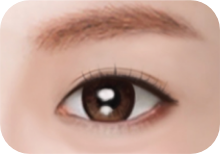
Achieve natural, well-defined eyes
JAYJUN non-incisional ptosis correction
Features
-
Defined, natural-looking eyes
Identify the cause of ptosis precisely and apply an aesthetically pleasing proportion of visible iris
-
Fast recovery
Surgery without skin incisions means less swelling and scarring, with faster recovery
-
Resolve functional problems
Also resolves secondary problems caused by ptosis, such as reduced vision, astigmatism symptoms, or forehead wrinkles
-
A softer, more relaxed expression
No need to strain the eyes or forehead when opening the eyes, creating a softer, more relaxed expression

JAYJUN non-incisional ptosis correction
Channel JAYJUN
JAYJUN non-incisional ptosis correction
FAQ
Answers to frequently asked questions about non-incisional ptosis correction.
What is non-incisional ptosis correction?
Non-incisional ptosis correction creates tiny openings in the eyelid without cutting the skin, encouraging natural adhesion between the skin and the eye-opening muscle. Adjusting this muscle helps create defined, natural-looking eyes.
Who may be suitable for non-incisional ptosis correction?
Non-incisional correction may be considered for relatively mild ptosis, or when the eyelids are not thick and drooping is not severe. It may also suit those concerned about incisional surgery or seeking natural-looking eyes with less scarring and swelling.
What symptoms can non-incisional ptosis correction improve?
It may help with sleepy or tired-looking eyes, habitual use of the forehead muscles to open the eyes, differences in the speed or size of the two eye openings, and drooping eyelids. It may also be considered when the eyelids cover much of the iris.
How is non-incisional ptosis correction performed?
The eyelid crease height and shape are designed to harmonize with the face, then tiny openings are made along the crease. The upper eyelid levator muscle is adjusted and tightened according to how much iris is visible, followed by suturing using the natural-adhesion or buried-suture method.
Can non-incisional ptosis correction be combined with double eyelid surgery?
Yes. Non-incisional ptosis correction can be combined with the buried-suture or natural-adhesion method. The appropriate method is selected according to your eye condition and desired eyelid crease.
Is non-incisional ptosis correction resistant to loosening?
The procedure applies the principles of eyelid crease formation and JAYJUN's expertise to secure the tissues firmly and help maintain the correction. However, results and how well they last can vary with each person's eye condition and tissue characteristics.
How long does non-incisional ptosis correction take, and what anesthesia is used?
The operation takes about 30 minutes and can be performed under sedation or local anesthesia. No overnight stay is needed, so you can go home the same day.
Are stitches removed after non-incisional ptosis correction?
The basic procedure information lists no need for stitch removal. However, depending on the individual surgical method, stitches may be removed after 3–7 days. Whether removal is needed depends on the surgical plan.
How long is recovery after non-incisional ptosis correction?
As the skin is not incised, swelling and scarring are limited and recovery is relatively quick; daily activities are possible from the day of surgery. Typical recovery is about 5–7 days. Bleeding or bruising may occur and recovery time may vary depending on your condition.
How are the crease shape and height designed for non-incisional ptosis correction?
The design considers eye spacing and length, facial proportions, eye shape, pupil size, outer-corner angle, and whether ptosis is present. The crease type—inline, outline, in-out, or semi-out—along with its height and length is tailored to your eyes.
What sets JAYJUN eye surgery apart
Your JAYJUN, a standard of beauty

One-to-one, personalized eye surgery
Considering the balance and harmony of your eyes and face, we apply the most suitable surgical method.
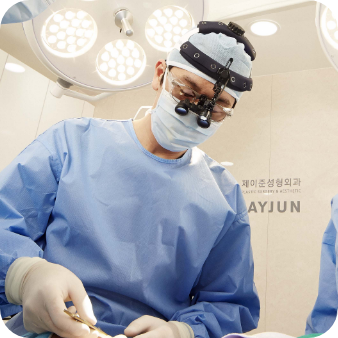
Professional collaborative care
Doctors, the surgical center, coordinators and the treatment center work within a professional, structured system for safety from consultation through postoperative care.

Minimal swelling and scarring, fast recovery
Experienced specialists minimize swelling, supported by aftercare from trained staff to help you return to daily life quickly.
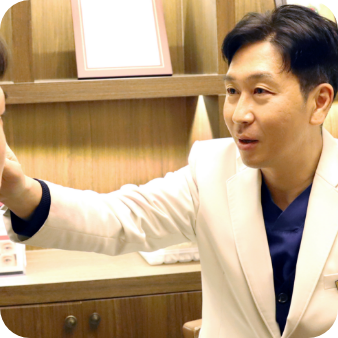
Eye surgery with high patient satisfaction
Specialists operate with a sense of responsibility for the result, achieving high satisfaction and a low revision rate.

Specialist medical staff committed to research
The refined, precise surgical expertise of JAYJUN plastic surgery specialists delivers satisfying results.
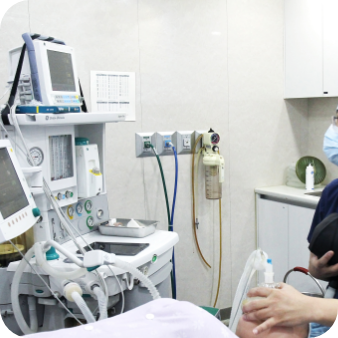
Dedicated one-to-one anesthesia care
An anesthesiology and pain medicine specialist takes dedicated responsibility for anesthesia during surgery, with an emergency response system for safety.