



Shin Se-kyung nose references: why front and side views differ
Separate what front and side views show, the limits of photographic conditions, and questions for your own consultation.
A nasal outline you like in profile does not describe the entire impression from the front. If a photograph of Shin Se-kyung is your reference, go beyond saying “I like this nose” and identify which view and impression appeal to you. A photograph can begin a discussion; it cannot complete a surgical plan.
The actor's name is an example for discussing personal preferences, not a statement about surgery, treatment history, or a relationship with this clinic. Images in this article are generated concepts, not photographs of the actor or surgical results.
Three points to organize
Three points to organize
- Front and side views help you ask different questions.
- Do not compare measurements when angle, distance, lighting, or editing is unknown.
- Revisit a preference from one photograph across views of your own face.

Look at the front and profile in turn
From the front, you may notice the width occupied by the nose or the impression of its two sides. In profile, your attention may follow the outline from the forehead through the bridge to the tip. Neither view is inherently the more accurate photograph. They reveal different information; first identify where the feature you like appears.
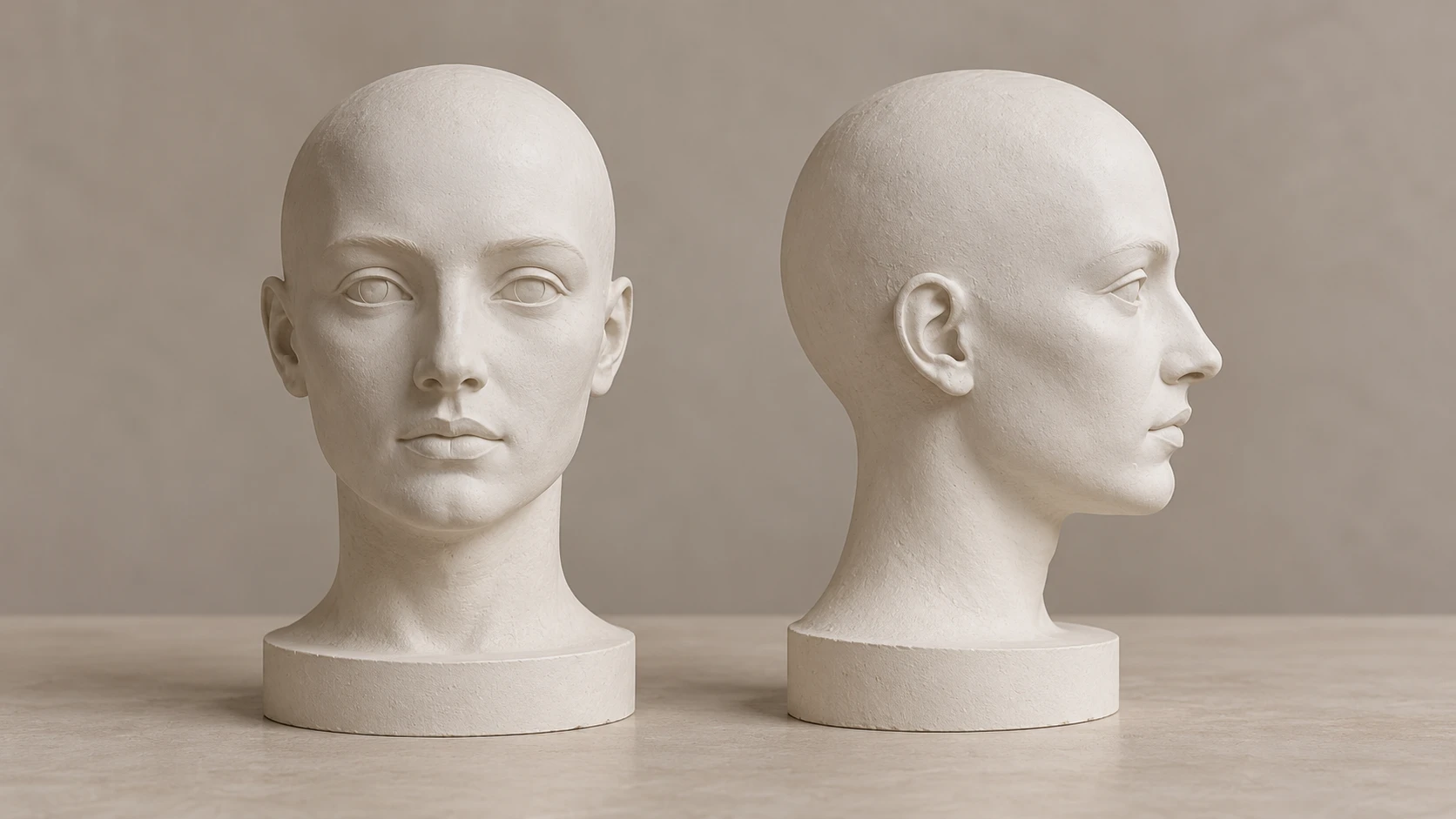
Different photographic conditions limit comparison
A small head turn or a change in camera distance can change an image. Do not measure angles, lengths, or ratios in an actor’s photograph with unknown lighting or editing and transfer them into surgical targets. Keep the source and uncropped view when possible, and say when the shooting conditions are unknown.
| Question prompted by the photo | What the photo cannot decide |
|---|---|
| What appeals to me from the front? | Whether my nose needs narrowing |
| Which transition do I like in profile? | Implant height or surgical method |
| Is the impression similar in other photos? | The actor’s actual changes or surgical history |
Write one sentence for each view
For example: “I like a gentle transition in profile, but I do not want a large change to my front-view impression.” Whether those wishes can coexist in your face requires assessment. Ask what a proposed change from one direction could mean for the other views.

Discuss both your goals and your current health
Separate wishes about appearance from nasal obstruction or breathing difficulties. Previous nasal surgery, procedures, injuries, and medicines also need consideration. A photograph cannot establish internal conditions or surgical suitability.
The American Society of Plastic Surgeons consultation guide informs these preparation points. Before choosing a method, discuss possible changes, remaining limitations, risks, and the option of no surgery.
Frequently asked questions
May I bring just one profile photo?
Yes. Use it to explain what you like; your own face still needs assessment from multiple directions.
Would measuring an angle in the image help?
Unknown shooting conditions limit its use as a personal measurement. Describe the impression you want and changes you worry about instead of copying a number.
What if my front and profile wishes differ?
State your priorities for each and ask about what can coexist and what is limited. Matching a photograph from every direction cannot be guaranteed.
Turn photographic views into questions
A Shin Se-kyung reference is not an exercise in measuring the actor’s nose. Use it to identify preferences in each view, then discuss possible changes and features to preserve in your own face.
This is general consultation-preparation information, not an individual diagnosis or a recommendation for surgery. Nasal surgery carries risks including bleeding, infection, scarring, altered sensation, breathing difficulties, septal perforation, and possible revision surgery. Outcomes and recovery vary; suitability and personal risks require clinical assessment. See the risk information. This article does not imply an endorsement by the actor or guarantee the same result.