



Why does skin elasticity matter when planning liposuction?
Liposuction reduces fat, so the plan must also consider how the skin may remain over the treated area.
Liposuction reduces fat, so the plan must also consider how the skin may remain over the treated area. Reducing fat alone does not resolve loose skin or every surface irregularity. Share skin condition, weight changes and previous surgery to clarify realistic expectations.
Key points
Three things to assess first
- Separate fat from skin.
Localized fat volume and skin laxity are different factors.
- Do not treat suction volume as a guarantee.
Removing more does not necessarily produce a smoother contour.
- Share weight, scar and lifestyle information.
Include recent changes, past treatment and recovery circumstances in planning.

Skin elasticity is part of contour planning
The ASPS liposuction guide distinguishes localized fat reduction from skin condition. With loose skin, the remaining appearance and need for another approach may differ. Liposuction should not be understood as a substitute for obesity or cellulite treatment.
Examination is needed to assess whether a contour reflects fat, skin laxity or other tissue conditions. Pulling on the skin at home or viewing photographs cannot predict elasticity or contraction after surgery.
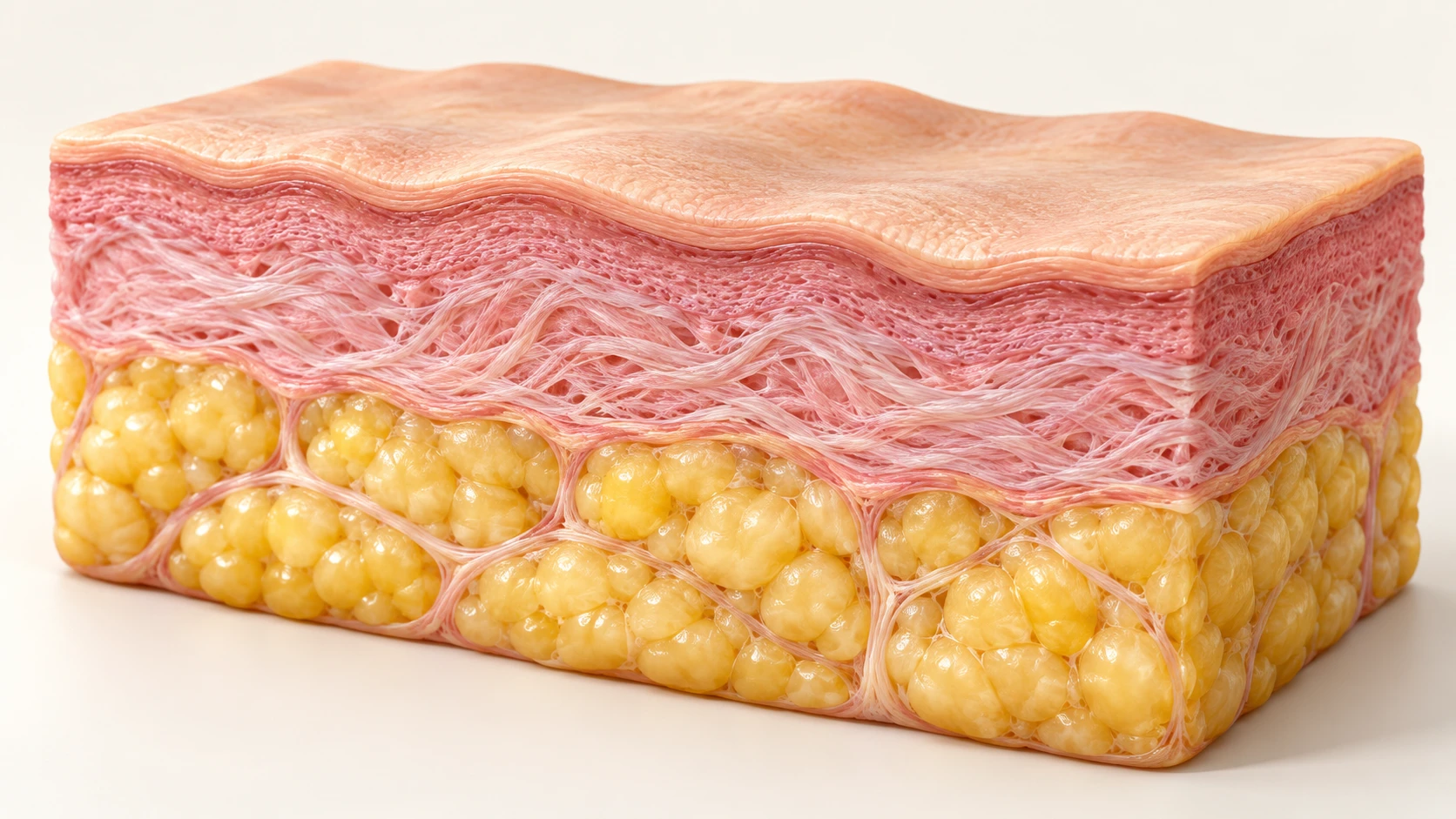
What information is considered during examination?
The ASPS candidate guide also considers skin elasticity, health and smoking. One age, weight or skin appearance should not become a universal surgical eligibility rule.
| Information to separate | Planning questions |
|---|---|
| Fat distribution | Which area and extent are to be reduced? |
| Skin and scars | How do laxity, surface changes and earlier surgery affect the plan? |
| Weight changes | What recent changes or future plans matter? |
| Expectations and daily life | What skin and contour may remain, and what aftercare or work burden is involved? |
Does loose skin always require another operation as well?
Additional surgery is not necessary in every case. Discuss what liposuction alone may achieve, the skin that may remain, and why another approach and its burdens might be proposed. Delaying treatment or choosing no surgery can also be discussed.

- What limitations in skin and contour may remain after fat reduction?
- If another approach is suggested, how do the goals, scars and risks differ?
- Should surgery timing change if weight or lifestyle plans change?
Discuss irregular contours and altered sensation as risks
The liposuction risk guide describes possible contour irregularity, asymmetry, loose skin, altered sensation, fluid accumulation and infection. Ask separately about anesthesia and recovery burdens for the proposed area and extent, as well as rare serious complications.
Compression, massage or exercise cannot guarantee correction of all skin laxity. Follow your surgical team's instructions about the area, method and timing of aftercare. Do not delay assessment of pain or skin changes while trying self-care.
Frequently asked questions
Does young age guarantee that skin will contract well?
Age alone does not decide this. Skin, fat, previous changes and goals need assessment together, including remaining limitations.
Will removing more fat make loose skin shrink more?
Removal volume and skin response are different factors. More removal does not guarantee a better contour or greater safety.
Can I have a consultation if my skin lacks elasticity?
Rather than ruling yourself out, have your current conditions assessed and discuss possible changes, alternatives and no treatment.
Assess both the fat to reduce and the skin that may remain
Separating each area's goals from its skin condition helps clarify the scope of contour change and recovery burden. Do not decide the plan by suction volume alone.
This is general information, not a diagnosis or individual recommendation for liposuction or combined surgery. Risks may include bleeding, bruising, infection, altered sensation, fluid accumulation, scarring, contour irregularity, loose skin, asymmetry, further surgery and serious anesthesia, blood-clot or cardiopulmonary complications. Suction volume, skin contraction, weight, recovery or a particular body shape is not guaranteed.