



Han So-hee nose references: considering the bridge and tip together
Prepare questions that identify preferences at the bridge and tip, then return to their overall connection.
A preference for a nasal line is clearer when described as the connection between bridge and tip, rather than bridge height alone. Use the impression you like in a Han So-hee photograph to identify what matters before assuming that line can be transferred to your own face.
The actor's name is an example for discussing personal preferences, not a statement about surgery, treatment history, or a relationship with this clinic. Images in this article are generated concepts, not photographs of the actor or surgical results.
Three points to organize
Three points to organize
- Write separately what you like at the bridge and at the tip.
- After describing parts, return to the whole front and profile views.
- Do not preselect a material or procedure simply to reproduce a photographic line.
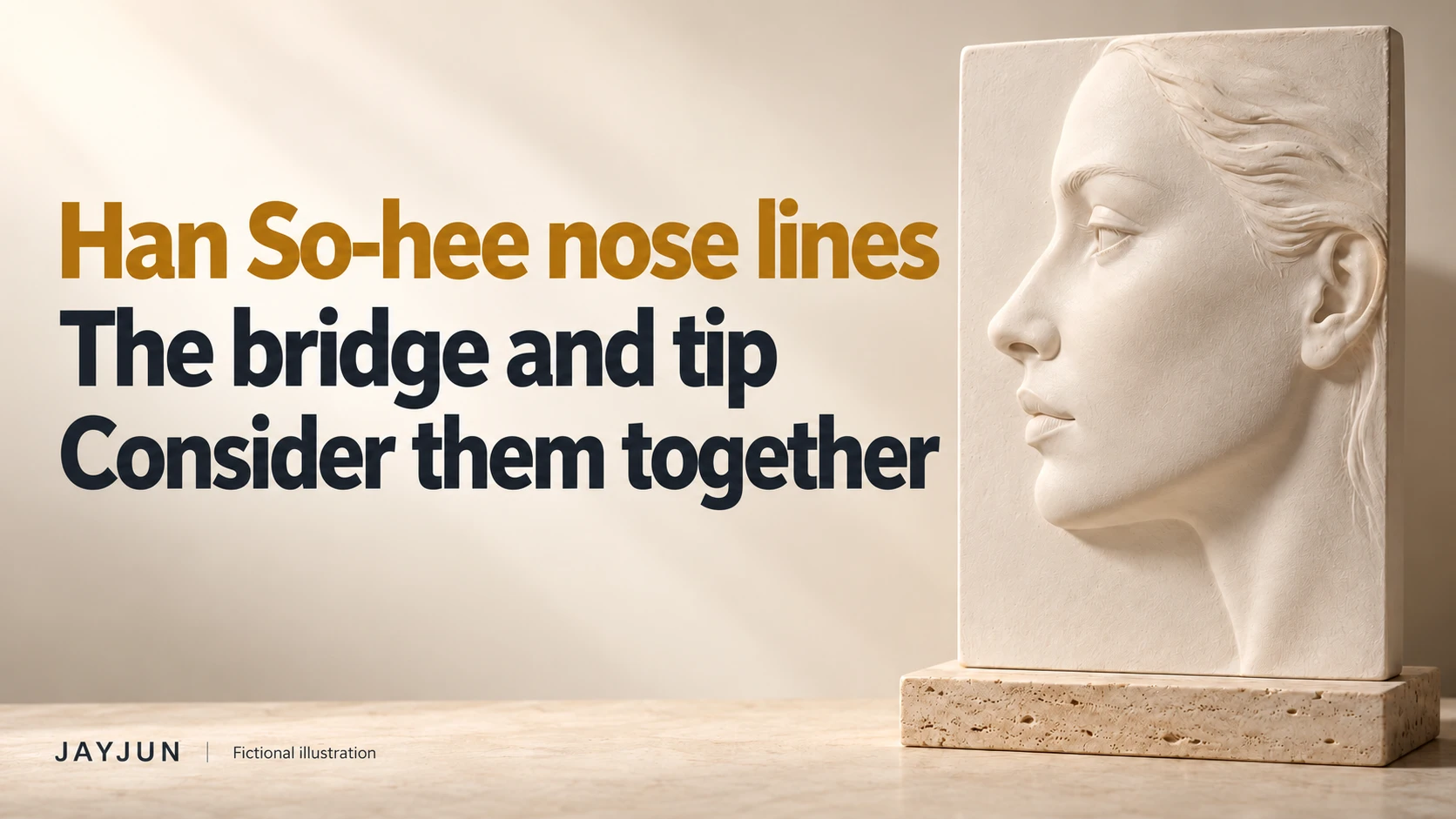
Where does the preferred line begin and end?
“I like a smooth nasal line” can mean different things to different people. Identify whether you mean the area where forehead meets nose, the course of the bridge, or the transition toward the tip. There is no need to turn that preference into a diagnosis of the actor’s anatomy or a correct ratio.
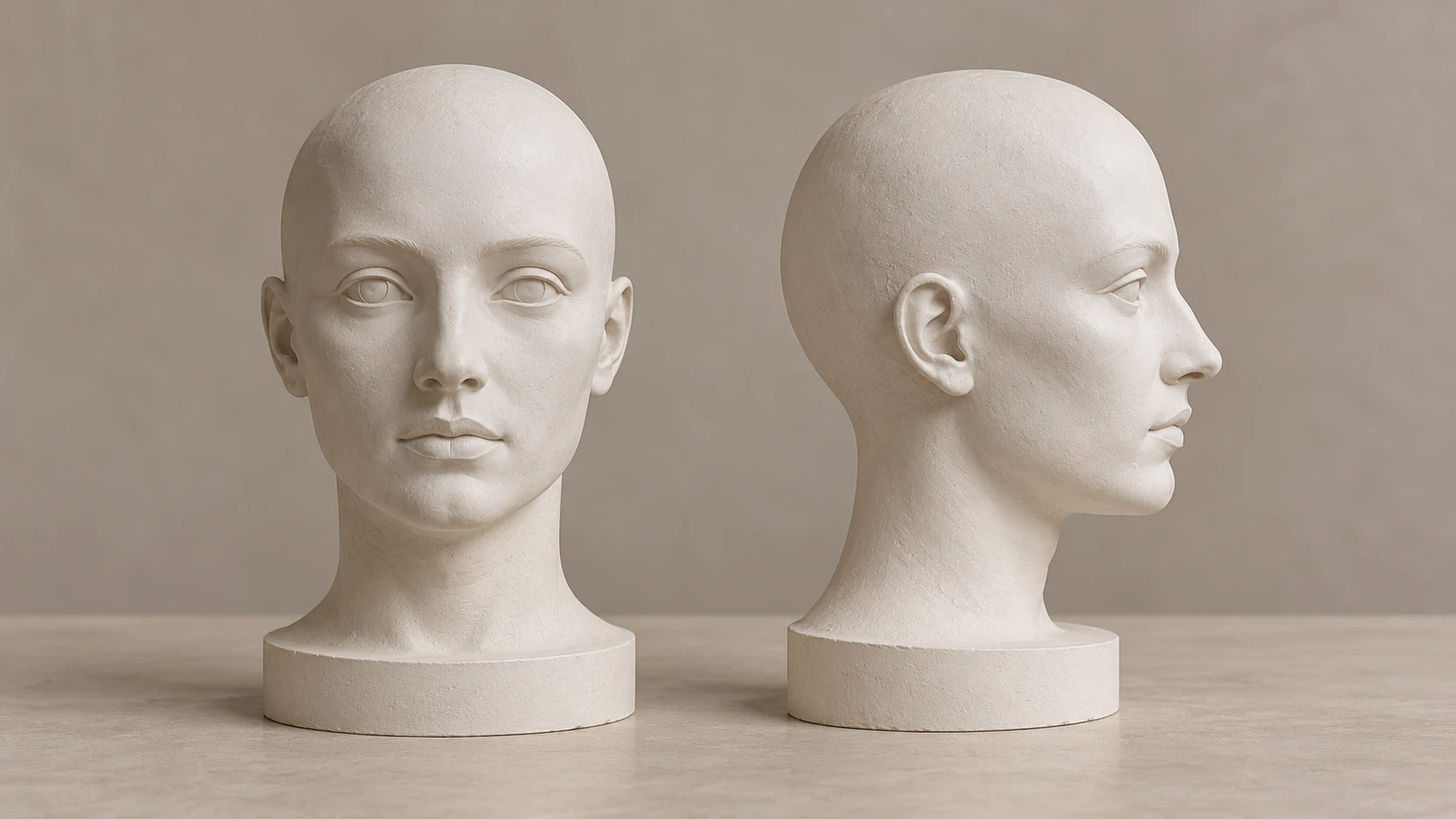
Changing the bridge is not the entire impression
Pointing to one part of an image can help communication, but that part connects with its surroundings in a real face. Instead of setting height alone or copying a tip in isolation, ask how your preferred change could affect the overall appearance. Mentioning unwanted changes helps define the boundaries of your goal.
| Preference to identify | Question to ask alongside it |
|---|---|
| The course of the bridge I like | How does it connect with the tip and whole face? |
| The impression I want at the tip | What range is possible in my condition? |
| Features I do not want changed | How are they considered with the proposed change? |
Discuss methods after assessing your own conditions
Do not choose a material, height, or operation name from a reference photograph. Consultation should consider current tissues, prior surgery or procedures, and breathing concerns, then explain which aspects of bridge or tip a proposed method addresses. If the desired line is not feasible for you, discuss alternatives and the option of no surgery.

Discuss both your goals and your current health
Separate wishes about appearance from nasal obstruction or breathing difficulties. Previous nasal surgery, procedures, injuries, and medicines also need consideration. A photograph cannot establish internal conditions or surgical suitability.
The American Society of Plastic Surgeons consultation guide informs these preparation points. Before choosing a method, discuss possible changes, remaining limitations, risks, and the option of no surgery.
Frequently asked questions
Should I name a type for Han So-hee’s nasal line?
Describing the location and impression is more specific than choosing a label. A photograph does not establish the actor’s anatomy or surgical method.
Will a higher bridge reproduce the line in the photo?
The same result cannot be guaranteed. The tip, surrounding face, and individual conditions also require assessment.
Can I select a material from the image?
A photograph does not determine material suitability. Ask about the reasons, limitations, risks, and alternatives in consultation.
Turn preferences for parts into questions about the whole
Use a Han So-hee reference to distinguish what you like at the bridge and tip. Then ask how those parts relate within your own face and which features you want to retain.
This is general consultation-preparation information, not an individual diagnosis or a recommendation for surgery. Nasal surgery carries risks including bleeding, infection, scarring, altered sensation, breathing difficulties, septal perforation, and possible revision surgery. Outcomes and recovery vary; suitability and personal risks require clinical assessment. See the risk information. This article does not imply an endorsement by the actor or guarantee the same result.