



Referencing Go Youn-jung's eyes: what to consider beyond the crease
Prepare questions that distinguish the brow and eyelid area from discomfort when opening your eyes.
When using eyes as a reference, it helps to consider the brow and eyelid area together instead of isolating a crease. Describe the impression you like in a photograph of Go Youn-jung, but do not use it to decide your eye function or the surgery you need.
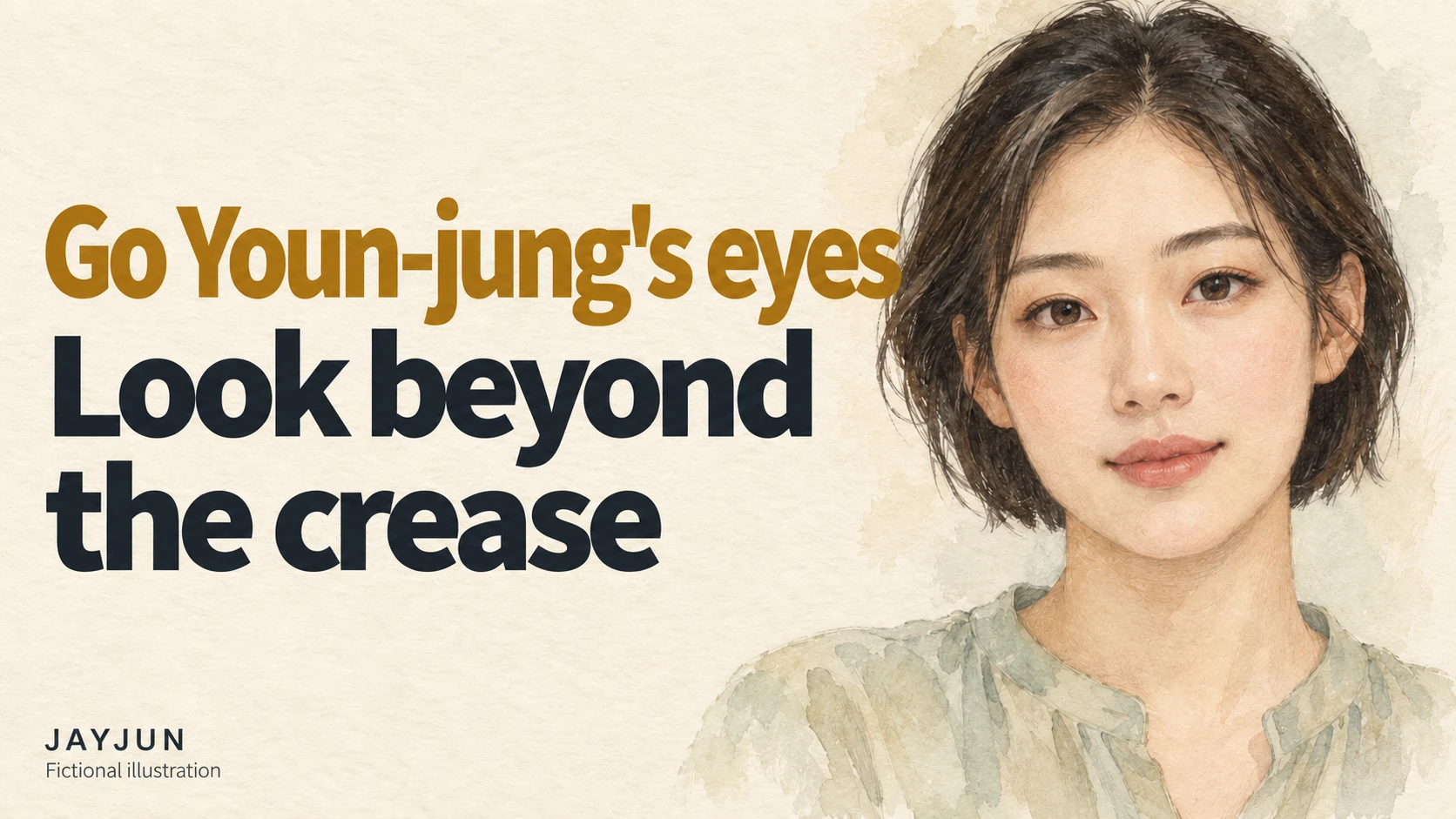
The actor's name is an example for discussing personal preferences, not a statement about surgery, treatment history, or a relationship with this clinic. Images in this article are generated concepts, not photographs of the actor or surgical results.
Three points to organize
Three points to organize
- Describe the impression created by the brows, eyelids, and crease together.
- Separate difficulty opening your eyes from appearance preferences.
- Hear an explanation of your own condition before choosing a crease label.
Including the brows changes the questions
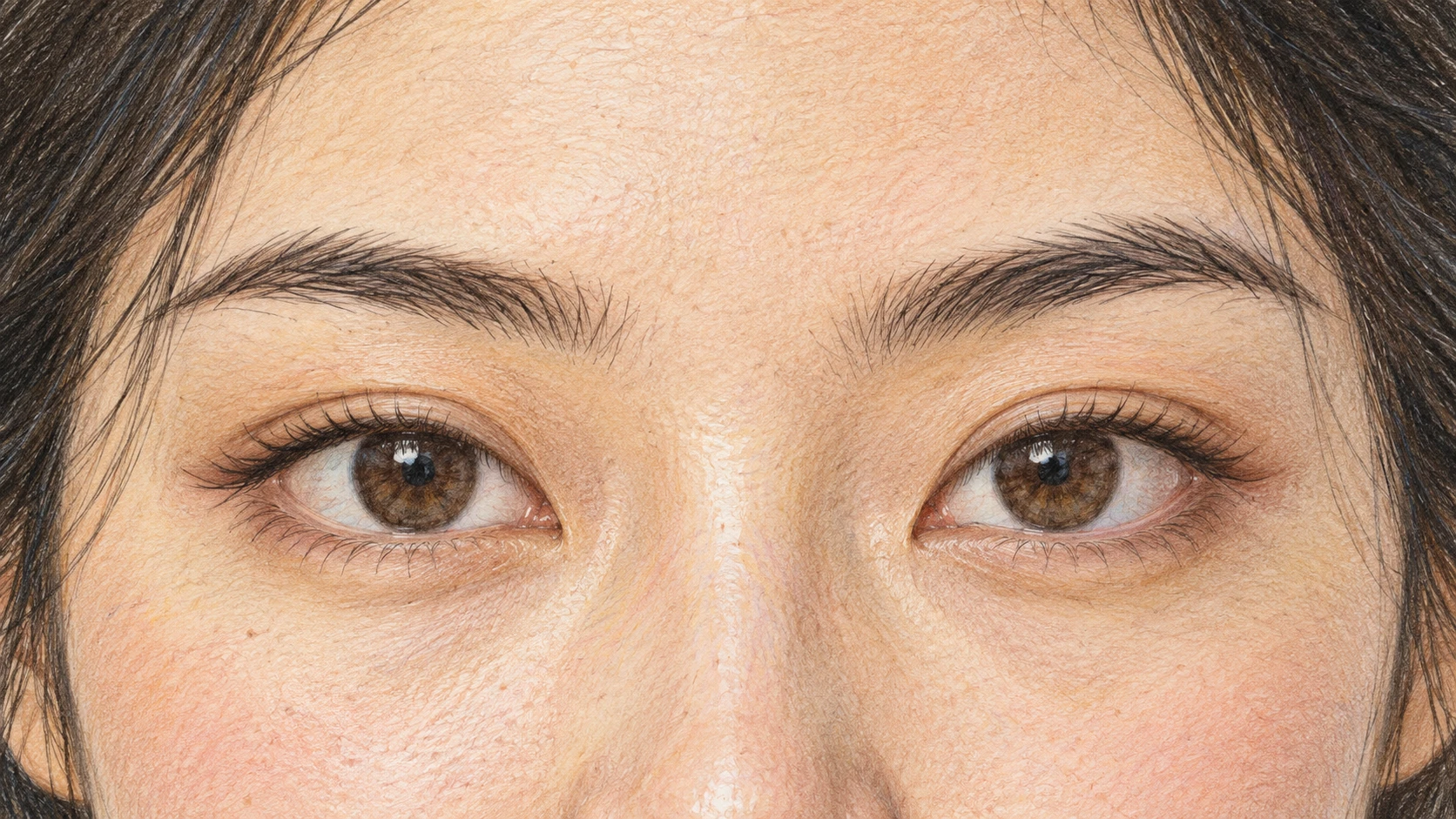
Consider whether your favorite impression remains the same when you see only the eyes and when the brows are included. Distinguishing crease shape from the impression of the space above the eyes makes the discussion more specific. This is not an exercise in establishing the actor’s anatomy or setting an ideal distance.
Write preferences and symptoms separately
“I like defined eyes” and “Opening my eyes feels difficult” provide different information. If you have symptoms, explain when you notice them. Looking tired in a photograph alone does not establish a need for ptosis correction.
| Note to prepare | Point to discuss |
|---|---|
| An impression you like around the eyes | Which part you actually want to change |
| Discomfort opening the eyes | Whether separate functional assessment is needed |
| Personal features to retain | Whether they conflict with the proposed change |
Ask for an explanation before a procedure name
Ask what was assessed in your current eyes and which concern a proposed method addresses. Do not assume one procedure resolves both a preferred impression and physical discomfort. Noting features you want to retain also helps define the scope of change.

Discuss both your goals and your current health
Photographs cannot establish eye function or suitability for surgery. Tell your clinician about dryness, discomfort opening or closing your eyes, previous treatment, and medicines you take.
The American Society of Plastic Surgeons consultation guide informs these preparation points. Before choosing a method, discuss possible changes, remaining limitations, risks, and the option of no surgery.
Frequently asked questions
Must I identify Go Youn-jung’s crease type?
No label is necessary. Describe what appeals to you without determining actual anatomy or surgery history from a photograph.
Does a small brow-to-eye distance mean surgery is needed?
A single distance cannot determine need. Symptoms, individual circumstances, and desired changes require a clinical discussion.
Do defined eyes and eyes that open comfortably mean the same thing?
An appearance description differs from a functional description. Ask about each goal and its assessment separately.
Bring your observations, not a crease label
Even with Go Youn-jung as a reference, your own eyes are the focus. Separate the impression you like, actual discomfort, and features to retain, then ask for an explanation of each.
This is general consultation-preparation information, not an individual diagnosis or a recommendation for surgery. Eye surgery carries risks including bleeding, infection, scarring, dryness, difficulty closing the eyes, and changes in vision. Outcomes and recovery vary; suitability and personal risks require clinical assessment. See the risk information. This article does not imply an endorsement by the actor or guarantee the same result.