



How is the right facial implant size chosen?
Size should be discussed alongside your current facial structure, features you wish to preserve and the changes an implant can address.
Size should be discussed alongside your current facial structure, features you wish to preserve and the changes an implant can address. Another person's implant size or profile photograph cannot simply be copied. A size measurement is not the same information as the resulting projection, width or balance.
Key points
Three points to separate first
- Describe the shape you want.
Separate desired projection or width from features you wish to retain.
- Consider suitability alongside size.
Ask how material, shape and position relate to your tissues.
- Clarify remaining limitations.
Existing asymmetry, the bite, skin and soft tissue will not all necessarily change.

Does the same size create the same impression?
The ASPS facial implant guide explains that type and size depend on individual goals, facial features and clinical judgment. Goals differ according to whether the chin, jawline or cheeks are addressed. The same measurement does not create the same proportions in different faces.
Explain your concern from the front, side and with your usual expressions. A reference photograph helps describe the features you like; it is not a promise to reproduce someone else's face.
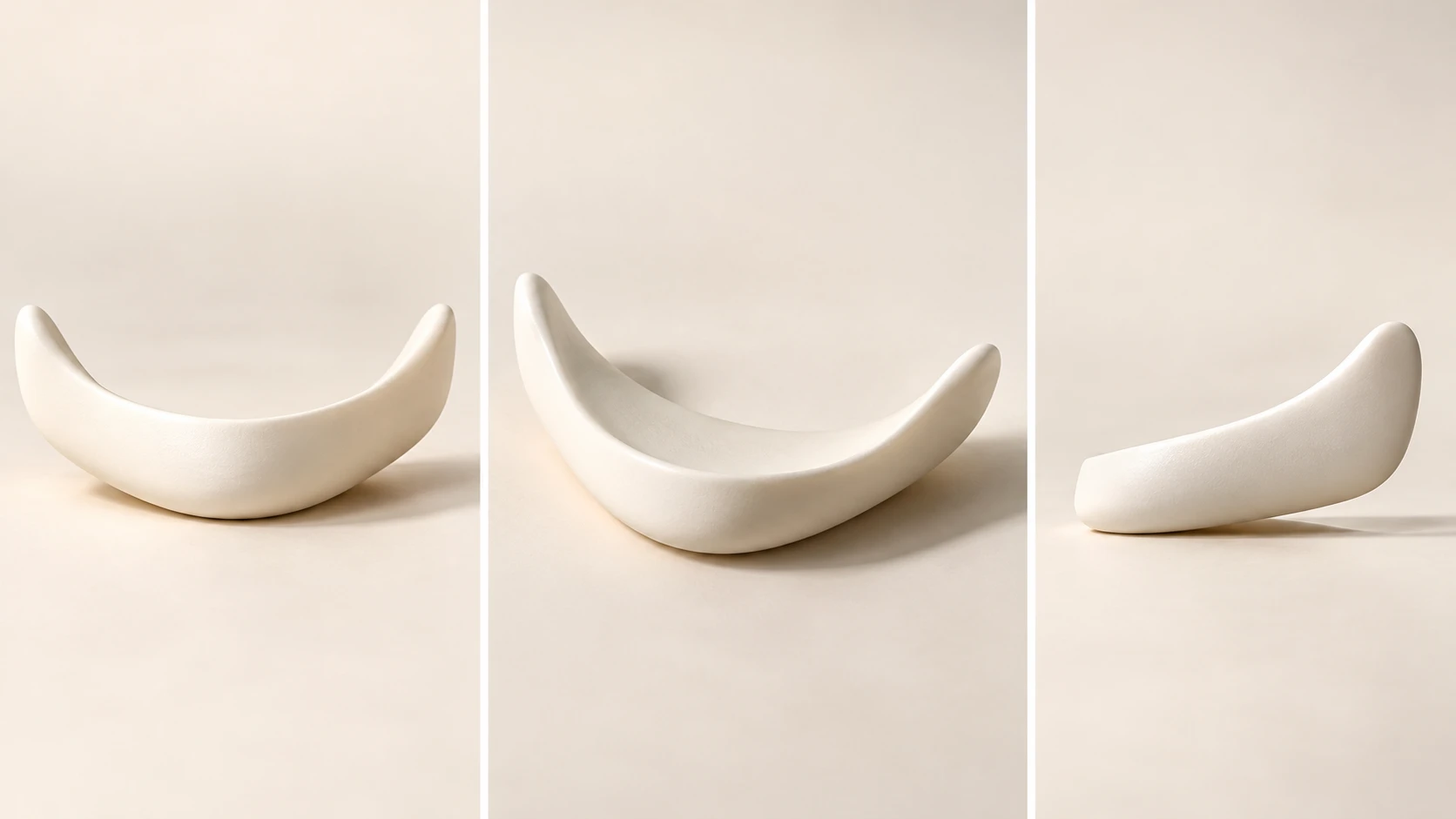
There is more to discuss than choosing a larger implant
Do not automatically choose a large implant based on appearance preferences alone. If a clinician proposes an extent of treatment, ask how the desired change, tissue conditions and expected burdens relate.
| Factor to assess | Consultation questions |
|---|---|
| Goal | Do you want to change projection, width or contour? |
| Individual conditions | How do bone, soft tissue, skin and existing asymmetry affect the plan? |
| Implant plan | Why are this shape, size, position and fixation method suggested? |
| Limits and alternatives | What will remain unchanged, and what alternatives or no-surgery options exist? |
Distinguish contour from function
Enhancing chin projection is different from treating the bite or jawbone relationships. Mention difficulty chewing or closing the mouth, orthodontics, dental care and jaw surgery from the start. Also discuss asymmetry that may remain.

- How are material, shape and placement chosen alongside size?
- What is difficult to change within my current structure, and what unexpected differences may occur?
- What assessment and risks are involved if removal, replacement or further surgery is needed?
Discuss the risks of adding an implant
The ASPS implant risk guide includes infection, displacement, altered sensation, healing problems and revision surgery. Share earlier implants or injected materials, inflammation, injury and medicines. Choosing a small implant does not remove every risk.
Ask about incision location, aftercare and whom to contact if problems arise. Simulations or temporarily placing something against the face can support discussion of goals, but do not guarantee the final result.
Frequently asked questions
Will my friend's implant size give me a similar appearance?
Structure, tissues, position and goals differ, so the same size does not produce the same appearance. Discuss it in relation to your own proportions.
Is there no revision risk with a small implant?
Size alone cannot remove risk. Assess suitability, material, position and your condition together, including infection, displacement and asymmetry.
Can I first ask whether it is the same size as in a preferred photograph?
You can explain your preference, but the exact material or size cannot be assumed from a photograph. Separate the features you like from what may be possible for you.
Connect measurements with goals and individual conditions
Before focusing on size, understand what may change, to what extent, and which limitations remain. Consider size, shape, position and risks together before deciding.
This is general information, not a diagnosis or individual implant or surgical recommendation. Risks and individual differences include bleeding, infection, scarring, altered sensation, asymmetry, implant displacement, wound-healing problems and further surgery. A particular size, proportion, functional correction or result is not guaranteed.