



First eyelid surgery consultation: what should you prepare beyond a preferred crease?
Prepare your goals, eye symptoms, treatment history and medicines for a first eyelid surgery consultation, and ask about alternatives and limits.
Bring your goals together with current eye symptoms, eye treatments and a list of medicines. A reference photograph can explain a preference, but it cannot replace the examination that determines the surgical plan. Separating what you want to change from the features you want to keep helps you understand the reasons for a recommendation and its limits.
Key points
Three things to prepare
- Describe your priorities.
Distinguish crease visibility, excess skin and difficulty opening the eyes rather than treating them as one concern.
- Bring your eye health history.
Include dryness, contact lens use, eye conditions, previous eye operations and treatment.
- Ask about alternatives and risks.
Understand why an option is suggested, the option of no surgery and what may remain unchanged.
Can a photograph determine the operation?
A photograph can help explain a feature you like. Eyelid skin and fat, brow position and the function of opening the eyes differ between people, so a crease or technique cannot simply be copied. Identify one or two features you like. Saying that you prefer a less visible crease is more specific than asking for a generally sharper appearance.
The American Society of Plastic Surgeons' eyelid consultation guide recommends discussing goals together with health and eye history, the options, likely changes and risks. This is general preparation guidance, not evidence that a particular crease or operation suits you.
Which symptoms and previous treatments should you mention?
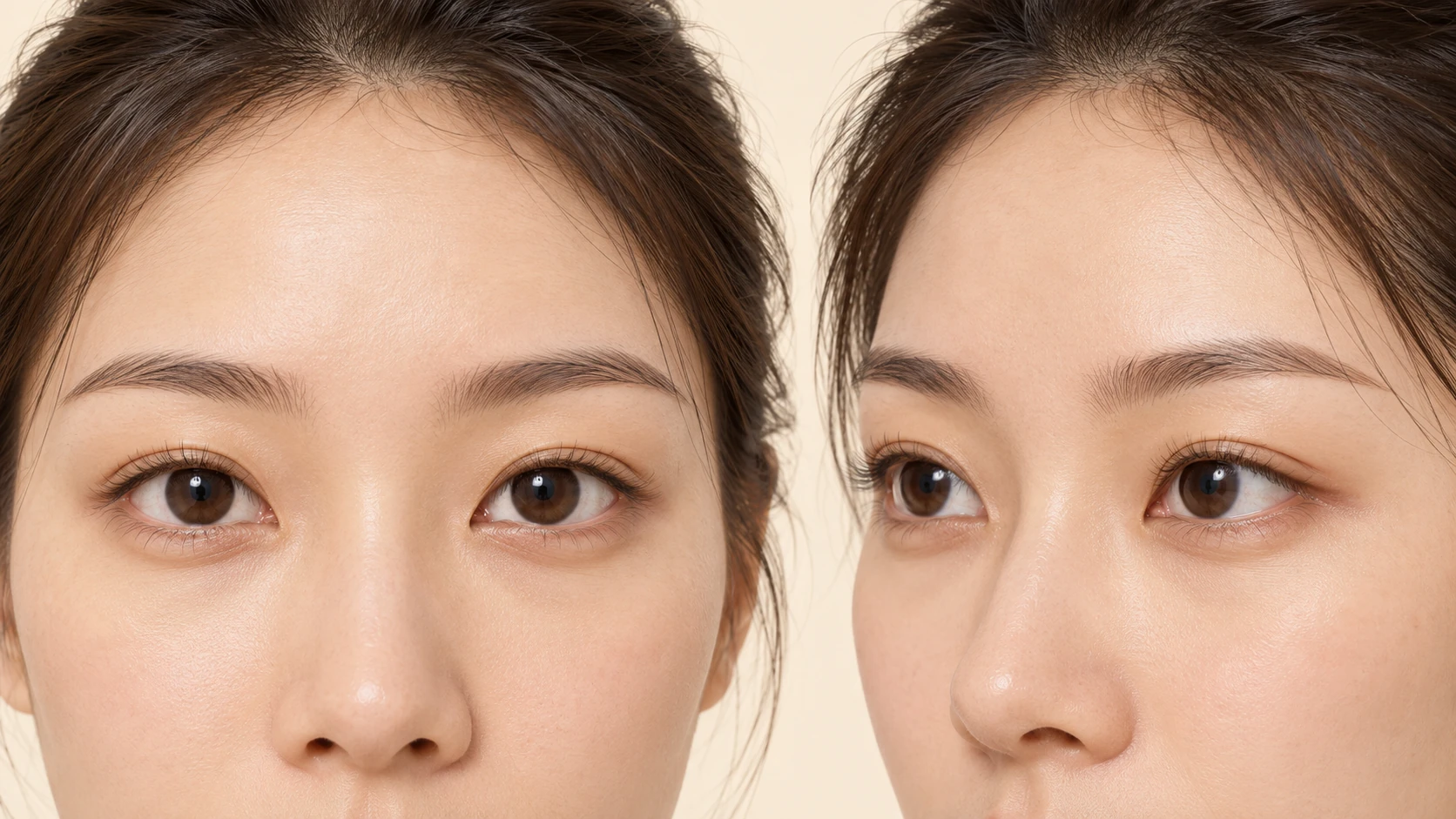
Note dryness, frequent redness, contact lens use, difficulty closing the eyes and visual discomfort. Mention eye consultations, prescribed drops and previous treatments such as laser vision correction or cataract surgery. A symptom does not automatically rule out surgery, but an examination must establish whether further assessment or treatment should come first.
Bring a prescription or list that identifies medicine names and doses. Do not stop prescription medicines, anticoagulants or supplements, or start new ones, on your own. Ask the treating clinicians whether any adjustment is needed.
| Information to bring | Question to ask |
|---|---|
| Dryness, irritation and contact lens use | Does the eye surface need assessment first? |
| Previous eye operations or treatment | How does this affect the plan and risk assessment? |
| Medicines, eye drops and supplements | If changes are needed, who will give the instructions? |
How can you compare recommendations?
If you hear different operation names, first ask which problem each one is intended to address. Price or whether an incision is used does not answer that question. Creating a crease and addressing the function of opening the eyes may involve different goals. If brow position or excess skin matters, ask how it changes the recommendation.

- Which findings make this option appropriate to consider?
- What would be different with another method or no surgery?
- Which requested changes may be difficult, and what asymmetry may remain?
- What are the risks of closure problems, dryness, scars and further surgery?
When should you choose a surgery date?
Choose a date after you understand the plan, health assessment and follow-up visits. Work, driving, screen use and important events have different requirements, so a single number of days off cannot cover every situation. Confirm how you will attend follow-up and whom to contact if a problem develops.
The ASPS eyelid surgery question list includes individual recovery, risks and options if the result is unsatisfactory. Timing depends on the examination and the extent of surgery; this article does not set a return date.
Frequently asked questions
Can I wear makeup to the consultation?
Check the clinic's preparation instructions. When booking, ask how to prepare makeup and contact lenses so the eyelids can be examined. There is no need to stop prescribed eye drops on your own.
Is it wrong to bring a celebrity photograph?
You can bring one to explain features you prefer. Treat it as a communication aid rather than a promise to reproduce someone else's face.
Must I decide on surgery that day?
If an explanation is unclear or questions remain, clarify them before deciding. The decision and timing are yours after you understand the expected changes, alternatives and risks.
Explain both your goals and the condition of your eyes
The first consultation involves more than choosing a photographed eye shape. Prepare your desired changes, symptoms and treatment history, and consider the option of no surgery. Understanding why an approach is suggested for you and what it cannot achieve helps you compare more than operation names.
This is general information for preparing an eyelid surgery consultation and does not replace diagnosis or an individual recommendation. Suitability, surgical extent, medicine adjustments and recovery depend on an examination. Risks can include bleeding, infection, scarring, asymmetry, difficulty closing the eyes, worsening dryness, vision-related problems and further surgery. No particular appearance or result is guaranteed.