



Costal cartilage rhinoplasty, between naturalness and stability... The material selection strategy is
Date posted
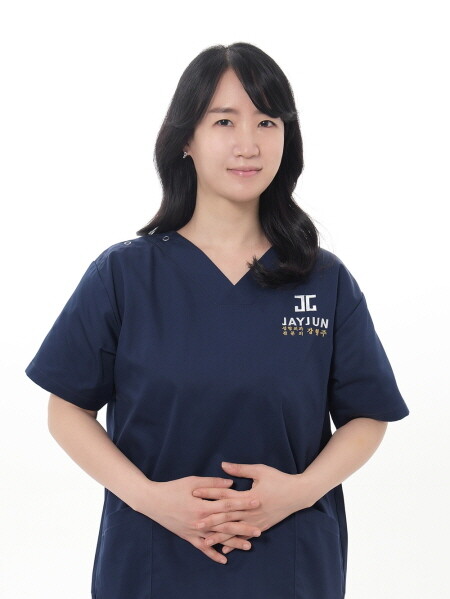
Plastic surgery specialist at JAYJUN Plastic Surgery & Dermatology Clinic Dr. Kang Hyungjoo, Director
During rhinoplasty, different materials and methods are used for the bridge and tip of the nose, and the completeness and stability of the surgical results vary greatly depending on how they are combined.
In general, artificial implants such as silicone are used for the bridge of the nose, and autologous cartilage is often used for the height and shape of the tip of the nose for a more natural expression. Cartilage is divided into ear cartilage, septal cartilage, and costal cartilage depending on the harvested area, and each can be selected according to its characteristics and strengths.
Among these, autologous costal cartilage is a material collected directly from the patient's own body and is attracting attention in terms of safety and usability. In addition to being able to secure a sufficient amount, it has solid support and durability, so the tip of the nose can be precisely shaped and stable results can be expected even when reoperation is necessary. In particular, since it is an autologous tissue rather than a foreign substance, the possibility of inflammation or rejection is low, and the absorption rate is low over time, so it is excellent in maintaining its shape.
On the other hand, donated costal cartilage has the advantage of reducing the burden of surgery by safely processing and using another person's tissue, which does not require a separate harvesting process. However, it may be smaller than autologous costal cartilage and its absorption rate may be somewhat higher, so a more careful approach is required in terms of long-term shape maintenance. Therefore, it is important to select the appropriate material according to the individual's condition and surgical purpose.
Costal cartilage has excellent strength and elasticity, helping to maintain the shape of the nose so that it does not collapse over time. In addition, the amount of material is sufficient, making it highly usable during revision rhinoplasty, and it is evaluated as a highly safe material with a low possibility of infection or foreign body reaction. However, due to the hard nature of the tissue, the process of processing it into the desired shape is difficult, so the surgeon's skill and experience greatly affects the surgical results.
Kang Hyungjoo, director of JAYJUN Plastic Surgery (plastic surgery specialist), said, “When considering rhinoplasty, it is important to comprehensively analyze the individual’s facial proportions, skin thickness, available skin laxity, and whether or not there has been previous surgery rather than simply focusing on material selection.”
Especially, surgeries using costal cartilage are considered high difficulty, so thorough consultation and meticulous planning should be conducted, and it is advisable to proceed with medical staff who have extensive clinical experience.
Director Kang explained, “Recently, as the trend of considering both naturalness and safety has spread, interest in rhinoplasty using autologous costal cartilage is increasing,” adding, “Personalized surgical planning and accurate material selection are becoming key factors that determine satisfaction.”