



Implant-free rhinoplasty: customized design based on precise diagnosis and the nose’s shape and characteristics is important
Date posted
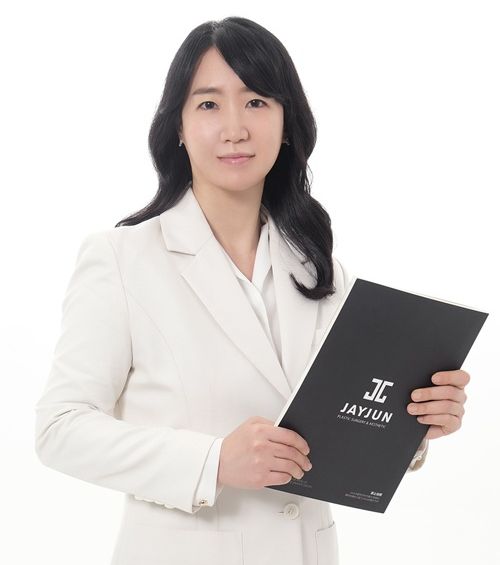
<JAYJUN Plastic Surgery & Dermatology Clinic> Plastic surgery specialist Kang Hyungjoo Medical Director
The nose is located in the center of the face and is a key element that determines the overall impression and proportions. Because the facial atmosphere varies greatly depending on detailed factors such as the height of the nose bridge, the angle and position of the tip of the nose, and the nasolabial angle line, rhinoplasty is considered a representative plastic surgery that takes into account not only aesthetic purposes but also functional improvement.Recently, unlike in the past when the emphasis was simply on height, there has been a change in the direction of pursuing natural harmony and safety at the same time, and interest in more precise and stable surgical methods has increased along with the increase in cases of reoperation.
In this trend, ‘implant-free rhinoplasty’, which does not use artificial implants, is attracting attention as a new alternative. Non-implant rhinoplasty is a method of improving the shape of the nose using the patient's own tissues, such as nasal septum cartilage, ear cartilage, costal cartilage, and autologous dermis.
Because it uses human tissue, it has good tissue compatibility, less foreign body sensation, and is evaluated as an advantage in that it can reduce the possibility of side effects such as inflammation or contracture. In addition, instead of reducing the excessive artificial feeling, you can expect results that blend naturally with your natural face, receiving a positive response from patients who value naturalness.
In particular, it is considered a suitable method for those who feel reluctant to use artificial implants, require reoperation due to complications like inflammation or contracture after previous implant insertion, or desire a natural improvement rather than a drastic change.
However, non-implant rhinoplasty cannot be applied equally to all patients. Since the amount and strength of cartilage, skin thickness, and structural characteristics of the nose are all different for each individual, sufficient consultation and precise diagnosis must be carried out in advance. Additionally, if you want the nose bridge to be significantly higher than the existing height or if you expect a more noticeable change, a method that combines the use of artificial implants may be more appropriate.
Recently, rhinoplasty trends are evolving away from standardized methods and focusing on personalized designs. It has become important to comprehensively consider not only the height of the nose, but also the direction of the tip, nasolabial angle, and balance with the entire face, and for this purpose, anatomical analysis using 3D-CT is being actively used. Establishing a surgical plan tailored to the individual's structure based on such precise diagnosis can lead to highly satisfactory results.
JAYJUN Plastic Surgery Clinic Director Kang Hyungjoo (plastic surgery specialist) said, “Rhinoplasty is not a procedure that simply changes the appearance, but is a difficult surgery that requires consideration of the balance and function of the entire face at the same time.” He also emphasized, “When considering non-implant rhinoplasty, it is most important to carefully select the surgical method that suits your condition through sufficient consultation with an experienced medical staff.”