



As the demand for rhinoplasty increases, the number of reoperations also increases... Accurate diagnosis and personalized surgery are key.
Date posted
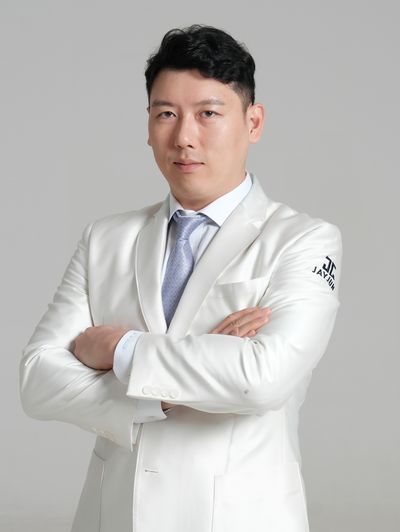
Plastic surgery specialist at JAYJUN Plastic Surgery & Dermatology Clinic Dr. Park Kisoo, Director
The nose, located in the center of the face, is the part that determines the overall impression. Even a slight change in the shape of the nasal bridge, nasal tip, or nasal wings can significantly change one's image, and as a result, demand for rhinoplasty is increasing among those who want to overcome appearance complexes or improve their aesthetics. As the demand for rhinoplasty continues to increase, the number of cases of revision rhinoplasty due to dissatisfaction with the results of the first surgery or side effects is also increasing.Excessive surgery that focuses solely on external design can result in functional and structural side effects, which is why many cases consider reoperation. Because revision nose surgery requires a much higher degree of difficulty than the first rhinoplasty, it must be approached carefully after accurately analyzing the cause of failure of the first surgery and the current condition of the nose.
The main causes of nose revision surgery include dissatisfaction with the appearance, capsular contracture, inflammation, and persistent nasal congestion. These problems cannot be solved by simply improving appearance, and reoperation must be performed considering functional improvement as well. To this end, it is important to establish an accurate surgical plan while preserving damaged tissue as much as possible using precision diagnostic equipment such as 3D-CT imaging.
Additionally, it is recommended that nose reoperation be performed at least 6 months after the first surgery to ensure sufficient stabilization of the tissue. This is because safer and less side-effect results can be expected only when reoperation is performed after the irritated skin and soft tissues have sufficiently recovered. However, the timing may vary depending on the skin condition or type of surgery, so it is best to make a decision through a specialist's diagnosis.
The choice of material used during nose revision surgery is also very important. A variety of materials are used, including septal cartilage, ear cartilage, costal cartilage, autologous dermis, and silicone, and each has different features and strengths, so the appropriate material must be carefully selected according to the current nasal condition and the patient's goals. For example, septal cartilage is advantageous in pursuing natural results, but if the amount of tissue that can be collected is insufficient, alternative materials such as costal cartilage or autologous dermis can be considered.
Park Kisoo, director of Gangnam JAYJUN Plastic Surgery (plastic surgery specialist), emphasized, "As revision rhinoplasty is performed again on tissue that has already been damaged once, an accurate diagnosis and sufficient consultation must be performed from the beginning to prevent it from leading to a second or third surgery. Both cosmetic and functional factors must be considered, and since there are many variables in reoperation, it is most important to select an experienced medical staff with abundant clinical experience."