




For non-incision hair transplantation, a customized surgical plan is required considering the condition of the scalp.
Date posted
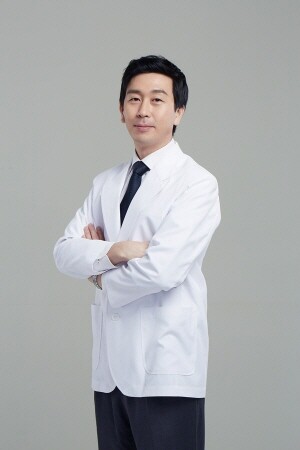
<JAYJUN Plastic Surgery & Dermatology Clinic> Plastic Surgery Park Hyungjoon Chief Medical Director
In the past, hair loss was considered a symbol of middle age. In the past, hair loss often began in people in their 40s or older, but recently, the number of people experiencing hair loss in their 20s is increasing due to stress and genetic factors.
Hair loss can greatly impact an individual's confidence as well as interpersonal relationships. It can cause severe appearance complexes, such as looking much older than one's actual age. Since hair loss, once begun, is a progressive condition that is difficult to improve on its own, active early intervention is necessary.
Hair loss treatment is often done with prescribed medications or topical medications, but this may not be very effective unless it is in the early stages of hair loss. Additionally, long-term use is necessary, and side effects cannot be ignored, so if you want immediate and visible changes, considering hair transplantation can be helpful.
Hair transplantation is divided into incision and non-incision methods. Recently, many people prefer non-incision methods due to the burden and fear of incision methods. Non-incision hair transplantation is a surgical method that harvests hair follicles and transplants them without making an incision in the back of the head.
Since the back of the head is not incised, there is less burden regarding bleeding, pain, sensory abnormalities, and scars, which also reduces the likelihood of side effects. Instead of making an incision, a specialized follicle harvesting device is used to collect only the follicles needed for transplantation from between the hairs, so the recovery speed is relatively fast.
When considering non-incision hair transplantation, it is important to establish a hair transplant plan considering the current hair loss pattern and individual characteristics. This is because each individual's different hair loss patterns and progression speeds must be reflected in order to achieve precise and natural surgical results.
Satisfaction after non-incision hair transplantation was found to be quite high in cases such as cases where the forehead appears wide because the hairline has receded in an M-shape, cases where hair has fallen out in a circular area around the crown, leaving an O-shaped bald area, cases where the forehead line collapses and the central area of the forehead widens into a C-shape, cases where the hair around the hairline and the crown falls out in a U-shape, etc.
JAYJUN Plastic Surgery Director Park Hyungjoon (plastic surgery specialist) said, "Non-incision hair transplantation is not just about filling hair loss areas, but the surgery can be performed naturally by considering the thickness, direction, planting angle and depth, and connection with existing hair. Therefore, it is important to perform the surgery with a 1:1 customized solution that is needed for the individual. Additionally, the surgery must be performed by a professional medical staff with know-how in hair transplantation to enable a precise surgery while increasing the transplant density. This not only increases the graft survival rate but also enables full, natural-looking hair from any angle after surgery."